
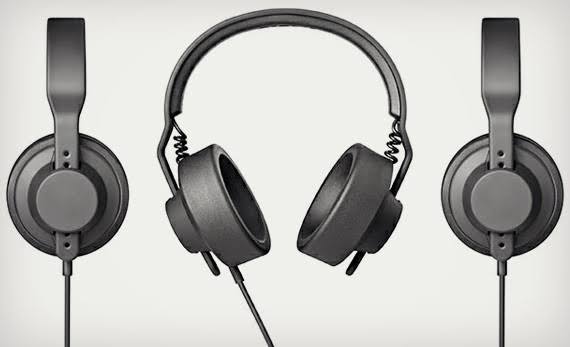
You do not need expensive studio headphones to start producing music, recording vocals, making beats, or learning how to mix. Several affordable headphones can provide enough detail to help you balance instruments, identify unwanted noise, and make better production decisions.
The challenge is choosing a model that suits your workflow. Some headphones isolate sound effectively for recording, while others have a more open design that can feel spacious during mixing. Comfort, frequency response, durability, and cable design also matter when you spend hours in a digital audio workstation.
This guide compares the best budget headphones for music production under $100, including models from Sony, Audio-Technica, Samson, and AKG.
1. Best Studio Headphones Under $100 at a Glance
| Headphone | Design | Best for | Price category |
|---|---|---|---|
| Audio-Technica ATH-M40x | Closed-back | Mixing and all-round production | Near $100; look for discounts |
| Sony MDR-7506 | Closed-back | Vocal tracking and detailed monitoring | Near $100; sale pricing varies |
| Audio-Technica ATH-M20x | Closed-back | Beginners and home studios | Budget |
| Samson SR850 | Semi-open | Affordable mixing and spacious listening | Very budget-friendly |
| AKG K240 Studio | Semi-open | Long sessions and general monitoring | Budget to mid-budget |
| Sennheiser HD 280 Pro | Closed-back | Recording and sound isolation | Near $100; check current price |
Price categories are approximate rather than live quotes. Retail prices, taxes, shipping, and local availability vary. A model listed here is a good candidate only if its final price fits your budget.
2. Audio-Technica ATH-M40x: Best Overall for Budget Production
The Audio-Technica ATH-M40x is a strong choice for producers who want a versatile pair of closed-back headphones for recording, editing, and mixing. Its sound is generally less consumer-oriented than headphones designed primarily to emphasize bass for casual listening.
Design: Closed-back, over-ear
Impedance: 35 ohms
Cable: Detachable
Why it is good for music production
- Balanced monitoring: Helps you evaluate vocals, guitars, synths, and bass without relying entirely on an exaggerated consumer-style sound.
- Closed-back isolation: Useful when recording vocals or instruments with a microphone nearby.
- Detachable cable: Makes replacement easier if the cable gets damaged.
- Folding design: Convenient for transporting between a home studio, rehearsal room, and recording space.
- Flexible use: Works for beatmaking, audio editing, podcast production, and general studio monitoring.
Potential disadvantages
The ATH-M40x may approach or exceed $100 depending on the retailer. Some users may also find its fit firm during long sessions. As with any headphone, its frequency response is not perfectly flat, so learn how your mixes sound on other systems before relying on it for final decisions.
Best for: Producers who want one pair of headphones for recording and mixing and can find it within budget.
3. Sony MDR-7506: Best for Recording Vocals and Detailed Monitoring
The Sony MDR-7506 is a long-running professional monitoring headphone used in recording, broadcast, and production environments. Its detailed upper frequencies make it useful for noticing vocal sibilance, background noise, and other recording imperfections.
Design: Closed-back, over-ear
Impedance: 63 ohms
Frequency response: 10 Hz–20 kHz, according to Sony’s published specification
Advantages
- Detailed sound: Helps reveal unwanted noise, vocal artifacts, and harshness.
- Studio heritage: A familiar monitoring option for recording and broadcast work.
- Portable construction: The folding design makes it easy to pack away.
- Useful for vocal sessions: Closed-back construction helps reduce headphone sound leaking into a microphone.
- Easy to drive in many setups: Its impedance works with many common headphone outputs, although actual loudness depends on the device.
Potential disadvantages
The upper frequencies can sound bright to some listeners, which may make certain vocals and cymbals seem harsher than they will on other systems. Its cable is not detachable, and the long coiled cable can feel bulky at a desk.
Best for: Vocal recording, editing, monitoring, and producers who want to catch small details in a recording.
4. Audio-Technica ATH-M20x: Best Affordable Closed-Back Headphones
The ATH-M20x is a practical starting point if you are building a home studio and need to save money for other essentials such as a microphone, audio interface, MIDI keyboard, or acoustic treatment.
Design: Closed-back, over-ear
Impedance: 47 ohms
Cable: Fixed cable
Why it makes sense for a home studio
- Usually costs less than the ATH-M40x, leaving more room in your equipment budget.
- Closed-back construction is useful for recording vocals and instruments.
- Works for editing, arranging, composing, and learning the basics of mixing.
- Can connect to many laptops, audio interfaces, and other devices with a compatible headphone output.
What you give up
The ATH-M20x has fewer premium features than the M40x, including a fixed cable. If you record regularly or plan to use the same headphones for years, compare the price difference with a model that offers a detachable cable and additional monitoring flexibility.
Best for: Beginners who want dependable wired studio headphones without using the entire $100 budget.
5. Samson SR850: Best Ultra-Budget Option for Mixing
The Samson SR850 is a semi-open headphone that has become a popular low-cost option for home studios. Its spacious presentation can be appealing for listening to arrangements, comparing instrument placement, and learning how different elements fit together.
Design: Semi-open, over-ear
Impedance: 32 ohms
Advantages
- Low purchase cost: Leaves money available for other home-studio equipment.
- Spacious presentation: Can make arrangements and stereo elements feel more spread out than on some inexpensive closed-back models.
- Useful for learning: A reasonable entry point for beatmaking and general mixing practice.
- Comfortable fit for many users: The lightweight design is suitable for extended listening, though fit is personal.
Potential disadvantages
The semi-open design leaks sound in both directions. This makes the SR850 less suitable for recording vocals with a sensitive microphone nearby or working in a noisy room. Its treble presentation may also sound bright to some listeners.
Best for: Beginners who primarily produce and mix at a desk, do not need strong isolation, and want to spend as little as possible.
6. AKG K240 Studio: Best Semi-Open Option for Longer Sessions
The AKG K240 Studio is a semi-open headphone known for its self-adjusting headband and familiar studio-monitoring design. It can be a useful option for arranging music, editing, and extended listening sessions.
Design: Semi-open, over-ear
Impedance: 55 ohms
Visit the official AKG website to find current product details and availability.
Advantages
- Semi-open construction can create a less enclosed listening experience.
- The self-adjusting headband helps accommodate different head shapes.
- Suitable for editing, arrangement work, and general studio listening.
- Useful as an alternative to closed-back headphones when recording isolation is not a priority.
Potential disadvantages
The semi-open design provides less isolation than a closed-back headphone, and low-frequency perception can differ from more sealed designs. Check the price carefully, since the K240’s cost varies by version and retailer.
Best for: Producers who value a semi-open listening experience and can find the K240 Studio within budget.
7. Sennheiser HD 280 Pro: Best for Isolation
The Sennheiser HD 280 Pro is a closed-back monitoring headphone designed for professional monitoring applications. Its strong passive isolation makes it a candidate for recording sessions and working in rooms where outside noise is distracting.
Design: Closed-back, over-ear
Impedance: 64 ohms
Visit Sennheiser’s official website for current specifications and local availability.
Advantages
- Strong passive isolation compared with open and semi-open headphones.
- Useful for recording vocals and instruments in a home studio.
- Folding and rotating earcups help with storage and transport.
- Suitable for detailed monitoring and editing.
Potential disadvantages
The fit can feel firm, especially during long sessions, and the design is less spacious than an open or semi-open headphone. Its street price sometimes exceeds the $100 target, so compare offers before buying.
Best for: Musicians who record vocals or instruments and need good isolation from headphone bleed and environmental noise.
8. Closed-Back vs. Open-Back Headphones for Music Production
One of the most important buying decisions is the headphone design. Neither closed-back nor open-back headphones are universally better; they serve different purposes.
Closed-back headphones
Best for: Recording vocals, tracking instruments, and producing in noisy rooms.
- Reduce outside noise and sound leakage.
- Help prevent backing tracks from leaking into microphones.
- Often provide a more enclosed listening experience.
Examples: ATH-M40x, ATH-M20x, Sony MDR-7506, HD 280 Pro.
Open or semi-open headphones
Best for: Mixing, editing, and listening in a quiet room.
- Can provide a more spacious presentation.
- Allow more outside sound to reach your ears.
- Leak audio, making them less suitable for microphone recording.
Examples: Samson SR850 and AKG K240 Studio (semi-open).
If you can afford only one pair, closed-back headphones are often the more versatile starting point because you can use them for both recording and editing. If you never record with a microphone and work in a quiet room, a semi-open model may be a good alternative.
9. What to Look for in Budget Studio Headphones
Frequency response
For music production, you want headphones that reveal problems without making the music sound artificially exciting. A strong bass boost can cause you to reduce bass too much in a mix, while emphasized treble can lead you to make high frequencies unnecessarily dull. No affordable headphone is perfectly neutral, so learn its sound and check your work on other systems.
Comfort and fit
Headphones that become uncomfortable after 30 minutes can make long production sessions difficult. Consider the weight, headband pressure, earcup size, padding, and heat buildup. If possible, try them on before buying or confirm the retailer’s return policy.
Impedance and compatibility
Impedance affects how a headphone interacts with its audio source, but it is not the only factor determining loudness. Sensitivity and the output capability of your laptop or audio interface matter too. Most of the models in this guide can work with common devices, but check the manufacturer’s specifications if your interface has a weak headphone output.
Detachable vs. fixed cable
A detachable cable is convenient because a damaged cable can be replaced without replacing the headphones. The ATH-M40x has a detachable cable, while the ATH-M20x and Sony MDR-7506 use fixed cables. Cable design may be worth considering if you use your headphones every day.
Wired vs. Bluetooth
Wired headphones are usually the better starting point for music production. Bluetooth can introduce latency, depending on the device, codec, and software. That delay can make it harder to record vocals or play virtual instruments in time. Bluetooth headphones may still be useful for casual reference listening, but use a low-latency wired monitoring path when recording.
Frequency response specifications are not the whole story
A manufacturer’s frequency range does not tell you how evenly a headphone reproduces every frequency. Two models with similar published ranges can sound very different. Read independent reviews, listen if possible, and compare mixes across multiple playback systems.
10. How to Choose Based on Your Music Genre
| Music genre or task | What matters most | Models to consider |
|---|---|---|
| Hip-hop and trap | Reliable bass monitoring, clear vocals, and checking low-frequency translation. | ATH-M40x, ATH-M20x |
| EDM and electronic music | Evaluating kick, bass, synth layers, and high-frequency detail without relying on exaggerated bass. | ATH-M40x, Sony MDR-7506 |
| Pop and vocal production | Detecting sibilance, breath noise, vocal artifacts, and backing-vocal balance. | Sony MDR-7506, HD 280 Pro |
| Rock and guitar recording | Midrange detail, isolation, and comfort while tracking multiple takes. | ATH-M40x, HD 280 Pro |
| Podcasting and voice-over | Isolation, speech clarity, and identifying unwanted noise. | Sony MDR-7506, ATH-M20x |
| Learning to mix | Consistent monitoring, comfort, and the ability to compare mixes on other systems. | ATH-M40x, Samson SR850 |
These are practical starting points, not strict genre rules. Your room, hearing, preferred sound, and workflow matter as much as the style of music you make.
11. How to Mix Music on Headphones Under $100
Good headphones help, but the way you use them is equally important. You can make useful mixes on a budget if you build a repeatable monitoring routine.
- Use reference tracks. Compare your mix with professionally released songs in a similar style. Match perceived loudness before judging tonal balance.
- Keep monitoring levels moderate. Listening too loudly can cause fatigue and make it harder to judge balances consistently.
- Check the low end carefully. Use reference tracks and pay attention to how kick drums and bass interact. Do not rely only on how powerful the bass feels in your headphones.
- Check vocals at different volumes. Make sure the lead vocal remains clear when listening quietly, and listen for excessive sibilance or harshness.
- Test the stereo image. Verify that panning and stereo effects feel balanced and that important elements remain clear in mono.
- Listen on other systems. Test the mix on earbuds, laptop speakers, a car stereo, or studio monitors if available.
- Take breaks. Short breaks reduce listening fatigue and help you return to the mix with a fresher perspective.
12. Are Headphones Under $100 Good Enough for Professional Music Production?
Yes. Budget studio headphones can be good enough for recording, arranging, editing, beatmaking, and producing music for commercial release. Many beginners and independent producers create solid work without expensive monitoring equipment.
There are, however, some limitations. Low-cost headphones may have uneven frequency response, less convincing stereo imaging, limited comfort, or less detailed reproduction than more expensive models. These limitations do not make them unusable; they mean you should learn their strengths and weaknesses.
If you are starting a home studio, spending the full $100 on headphones is not always the best decision. You may need to reserve money for a microphone, audio interface, pop filter, cables, or room treatment. A reliable $50–$80 pair plus careful reference listening can be a smarter investment than stretching your budget for a small upgrade.
13. Budget Headphone Buying Checklist
Use this checklist before purchasing headphones for your home studio.
0 of 7 items completed.
14. Frequently Asked Questions
What are the best headphones for music production under $100?
The Audio-Technica ATH-M40x and Sony MDR-7506 are strong candidates if you find them under $100. For a lower-cost setup, consider the Audio-Technica ATH-M20x or Samson SR850. The best choice depends on whether you need isolation, a detachable cable, or a semi-open design.
Are gaming headphones good for music production?
They can work, but some gaming headphones use bass-heavy tuning, virtual surround processing, or software effects that alter the sound. Wired studio headphones with a consistent, well-understood response are usually a better starting point for mixing.
Should I buy open-back or closed-back headphones?
Closed-back headphones are generally better for recording because they reduce sound leakage into a microphone. Open and semi-open designs can be useful for mixing in a quiet room, but they leak sound and provide less isolation.
Are the Sony MDR-7506 good for mixing?
Yes, they can be useful for mixing and detailed monitoring. Their revealing upper frequencies help identify certain recording problems, although some listeners find the treble bright. Check your mix on other playback systems before finalizing it.
Are the Audio-Technica ATH-M40x better than the ATH-M20x?
The ATH-M40x offers additional flexibility, including a detachable cable, and is often considered a more versatile studio tool. The ATH-M20x costs less and can be a sensible first pair for beginners. Compare the current price difference before deciding.
Can I mix an entire song using headphones only?
Yes, especially if you learn your headphones, use reference tracks, and check your work on multiple playback systems. Studio monitors and acoustic treatment can provide useful additional perspective, but they are not mandatory for every beginner or home studio.
Do I need an audio interface for budget studio headphones?
Not always. Many headphones can connect directly to a laptop or computer with a compatible output. An audio interface can improve your workflow and provide useful monitoring connections, but check its headphone output capability if your headphones are difficult to drive.
Are wireless headphones suitable for recording music?
Bluetooth latency can interfere with recording vocals or playing software instruments in real time. Wired headphones are usually preferable for tracking and monitoring. Wireless headphones may still be useful for casual listening or checking a mix away from the studio.
Can I get professional results with $50 headphones?
It is possible to produce good music with affordable headphones. Learn their tonal characteristics, use reference tracks, monitor at sensible levels, and test your mixes on other systems. Your listening habits and production skills matter greatly.
Conclusion: Which Budget Studio Headphones Should You Buy?
The best headphones for music production under $100 are the ones that suit your recording setup, fit comfortably, and provide a sound you can learn to trust.
- Best overall: Audio-Technica ATH-M40x, when available within budget.
- Best for vocal tracking: Sony MDR-7506, especially if you value detailed monitoring.
- Best for beginners: Audio-Technica ATH-M20x for an affordable closed-back option.
- Best ultra-budget pick: Samson SR850 for quiet-room production and mixing.
- Best for isolation: Sennheiser HD 280 Pro, if you find it below $100.
- Best semi-open alternative: AKG K240 Studio, subject to current pricing.
If you are building your first home studio, start with a comfortable wired pair, learn its sound, and save money for the other tools your workflow needs. A thoughtful monitoring routine will do more for your mixes than simply buying the most expensive headphones your budget allows.
Official product resources: