
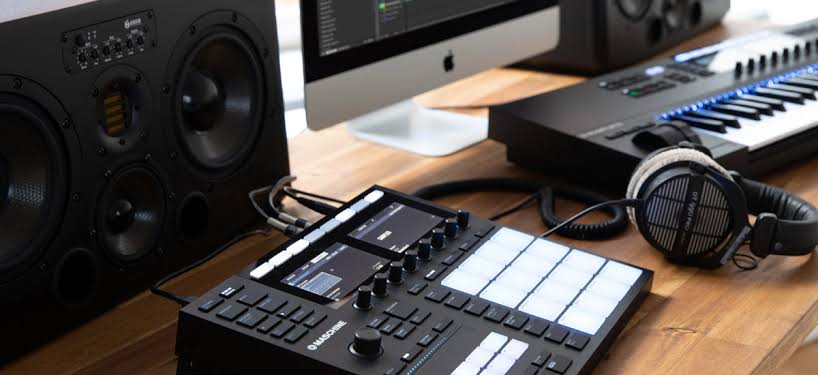
Learning how to sell beats online can help you turn your music production skills into a business. Whether you make hip-hop, trap, R&B, drill, lo-fi, pop, or electronic instrumentals, you can sell beat licenses through online marketplaces, your own website, and direct relationships with artists.
The key is choosing the right platform, creating clear license options, pricing your beats appropriately, and attracting artists who need your sound. This guide explains the best places to sell beats online, realistic starting prices, the difference between leases and exclusive licenses, and how to get your first customers.
Can You Make Money Selling Beats Online?
Yes. Music producers can earn money by licensing instrumentals to independent artists, selling custom beats, offering exclusive agreements, and creating complementary products such as drum kits and sample packs.
The most important distinction is that you are often selling permission to use a beat under specific conditions, rather than automatically transferring ownership of the music. Your license determines what the buyer can do with the instrumental, how it can be distributed, and whether other artists can license it too.
Best Platforms to Sell Beats Online
The best beat-selling platform depends on whether you want marketplace discovery, a customizable online store, or a place to manage sales to customers you attract yourself. Compare subscription costs, seller commissions, payment options, license tools, and account eligibility before choosing.
1. BeatStars
BeatStars is a dedicated platform for selling beats, music, sound kits, and related services. It offers seller plans, license tools, analytics, and storefront features that vary by subscription.
Best for: Producers building a beat catalog and a recognizable brand.
Pricing: Its published US pricing has listed Starter at $19.99 per year, Growth at $79.99 per year, and Professional at $179.88 per year. Monthly options and promotions may differ.
Check the current official BeatStars pricing page before subscribing.
2. Airbit
Airbit supports beat and sound-pack sales, with features for licenses, contracts, and online stores. Its free Basic plan is designed for getting started, with upload and marketplace limitations. Platinum adds more selling and storefront features.
Best for: Beginners who want to test a marketplace before paying for a larger plan.
Pricing: Airbit lists Basic as free and Platinum at $7.99 per month when billed annually on its published pricing page.
Review the official Airbit features and pricing for current terms.
3. Your Own Website
You can create a website featuring your best beats, embedded audio previews, license descriptions, and a checkout connected to a suitable payment provider or beat-store service.
Best for: Producers who want control over branding, customer relationships, and marketing.
Advantages: A dedicated brand, a direct customer journey, and opportunities to build an email list.
Trade-off: You must generate most of your own traffic and manage the website, payments, customer support, and relevant legal obligations.
4. Fiverr
Fiverr can be useful for custom beat production and related services. Customers hire you for a defined project rather than necessarily browsing a catalog of ready-made instrumentals.
Best for: Producers who can create custom instrumentals, arrange songs, or provide production services.
Trade-off: Competition, marketplace rules, and service fees affect your final earnings. Read the current seller terms.
5. YouTube
YouTube is useful for showcasing instrumentals through searchable beat videos, visualizers, and production demonstrations. Link viewers to your store so they can review licenses and purchase a beat.
Best for: Producers who can publish consistently and target a specific musical style or artist audience.
Trade-off: Video views do not automatically translate into beat sales. You need clear calls to action and a convenient checkout.
6. Instagram and TikTok
Short beat previews, studio clips, and production breakdowns can introduce your sound to artists. These platforms work best as discovery and relationship-building channels that send interested people to your store.
Best for: Producers who enjoy sharing short-form content and engaging with musicians.
Trade-off: Reach can fluctuate, so avoid depending on one social platform alone.
BeatStars vs. Airbit: Which Should You Choose?
| Feature | BeatStars | Airbit |
|---|---|---|
| Free entry plan | Its current seller offering lists paid subscription plans, with trials or promotions potentially available. | Basic plan listed as free, with restrictions. |
| Beat selling | Yes, with seller tools and license options that vary by plan. | Yes, with marketplace and storefront features that vary by plan. |
| Custom licenses | Available with plan-dependent limits and features. | More advanced license customization is included in paid features. |
| Personal storefront | Storefront and website tools vary by subscription. | Personal store features vary by subscription. |
| Best starting point | Producers prepared to invest in a dedicated selling platform. | Producers who want to test selling with a free entry plan. |
Plan details and checkout charges can change. Compare the latest information on the BeatStars pricing page and Airbit website. Marketplace visibility is not guaranteed on either platform.
How Much Should You Charge for Beats?
Beat prices vary with the producer’s reputation, genre, audio quality, license terms, included files, and the buyer’s intended use. A new producer may use accessible prices to test demand, while an established producer with proven placements can charge substantially more.
The following figures are illustrative starting prices in US dollars, not guaranteed market averages. Use them as a framework and adjust them as you learn what your audience is willing to pay.
| Beat product | Example price | Typical deliverables | Pricing consideration |
|---|---|---|---|
| Basic MP3 lease | $20–$30 | MP3 instrumental and a defined non-exclusive license. | Keep permitted usage and any limits clear. |
| WAV lease | $30–$60 | Higher-quality WAV file and a non-exclusive license. | Define commercial use and distribution terms. |
| Trackout or stems lease | $60–$120 | Separate audio stems, WAV or other agreed formats, and a license. | Account for the extra preparation and file delivery. |
| Premium lease | $80–$150 | Expanded usage rights and additional deliverables, as specified. | Define limits precisely; “premium” alone does not define rights. |
| Exclusive license | $200–$1,000+ | Exclusive rights as defined in a written agreement. | Consider existing leases, ownership, publishing, and demand. |
| Custom beat production | $100–$500+ | A new instrumental created to the client’s brief. | Charge for complexity, revisions, deadline, and rights. |
These tiers overlap because different producers offer different products. A $100 lease is not automatically better than a $30 lease; the actual license and deliverables determine what the customer receives.
How to price your first beats
- Start with a basic tier: Offer an affordable license with clearly defined usage terms.
- Add a WAV tier: Give artists a higher-quality file for their recording workflow.
- Offer stems as an upgrade: Make it easier for artists or engineers to customize the mix.
- Set a separate exclusive price: Consider the value of removing the beat from future non-exclusive sales.
- Review your results: Adjust prices based on sales, inquiries, conversion rates, and customer feedback.
Beat Leasing vs. Exclusive Rights: What’s the Difference?
Understanding beat licensing is essential because the cheapest and most expensive products in your store may involve very different rights.
What is a non-exclusive beat lease?
A non-exclusive lease lets an artist use your beat under a license while you retain the ability to license that beat to other artists. The agreement can include limits on distribution, commercial use, performances, streams, or other activities.
For example, you might license the same instrumental to several artists at different times. Each customer receives the rights specified in their own agreement.
What is an exclusive beat license?
An exclusive agreement grants rights that are exclusive within the scope of the contract. The seller will commonly stop offering the beat for new non-exclusive licenses, but the precise obligations and treatment of earlier licenses must be defined.
Exclusive does not automatically mean that the buyer owns every copyright interest. Master ownership, composition rights, publishing, producer royalties, credits, and other rights depend on the written agreement and applicable law.
What is a beat buyout?
A buyout is a term sometimes used for an agreement that transfers or waives certain rights for a negotiated payment. The label alone does not tell you exactly what is being transferred. Read the contract carefully and define the rights, exceptions, and any continuing royalty obligations.
| License type | Can you sell the beat again? | What must the contract clarify? |
|---|---|---|
| Non-exclusive lease | Usually yes, within your agreement’s terms. | Usage limits, commercial permissions, credit, and file delivery. |
| Exclusive license | Generally no new licenses within the agreed exclusive scope. | Prior licenses, ownership, publishing, royalties, and exclusivity scope. |
| Buyout agreement | Depends on the rights transferred and the contract. | Exactly which rights are transferred, retained, or waived. |
Beat Pricing Calculator: Estimate Your Selling Price
Use this simple calculator to create an initial price suggestion. It uses editable example prices, not live marketplace data. Your final price should reflect the actual rights you offer, your production quality, customer demand, and the time required.
Choose your beat license
The estimate does not predict demand or guarantee income. Actual take-home earnings may be lower after marketplace fees, payment processing, refunds, taxes, subscriptions, and other expenses.
How to Set Up Your Online Beat Store
You can start with a marketplace profile or a simple website. Whichever option you choose, make the buying process easy to understand on both desktop and mobile.
Choose a niche
Decide which sound you want to be known for. You might focus on melodic trap, boom bap, drill, R&B, lo-fi, Afrobeat, reggaeton, or cinematic instrumentals. A clear niche helps artists recognize whether your music fits their projects.
Prepare your beat catalog
Export high-quality audio, check the mix, organize the project files, and name each beat clearly. Add useful information such as genre, mood, tempo, and key when known.
Create professional previews
Use a clear visualizer or simple cover image for each beat. Add a preview tag if appropriate, but make sure the preview still lets customers judge the instrumental. Avoid misleading titles or artwork that suggests an artist has endorsed your work when they have not.
Set up your license tiers
Define the price, file formats, permitted uses, limits, credit requirements, and other terms for each license. Use consistent language across your store and written contracts.
Connect payments and delivery
Check the payment methods supported in your country, withdrawal rules, transaction fees, and delivery process. Test the complete customer journey before promoting your store.
Publish your best beats first
Start with your strongest tracks rather than uploading every unfinished idea. A focused catalog can make your sound and quality easier to understand.
How to Get More Beat Sales Online
A beat store is not a complete marketing strategy by itself. Artists need to discover your music, understand what they can buy, and have a clear reason to choose your beats over alternatives.
1. Use YouTube search
Publish beat videos with titles that describe the style, mood, and intended audience. For example, a title might describe a melodic trap instrumental or a mellow R&B beat rather than using an unrelated keyword simply to attract views.
Write useful descriptions, include relevant genre terms naturally, and direct interested viewers to your beat store. Do not assume a popular artist’s name can be used without limits; follow platform rules and avoid implying an official affiliation.
2. Publish short-form previews
Share compelling sections of your instrumentals on short-form video platforms. Show the beat in context, demonstrate how it was made, or explain the mood and sound design behind it. Keep the route from preview to purchase simple.
3. Contact artists directly
Research independent artists whose style fits your beats. Send a short, personalized message with one or two relevant examples rather than mass-messaging unrelated musicians.
Respect requests not to be contacted again, avoid spam, and do not claim that your beats are guaranteed to produce a hit.
4. Improve your product pages
- Use clear titles and accurate genre descriptions.
- Show license prices before checkout.
- Explain what each tier includes.
- Make audio previews easy to play on mobile.
- Provide an easy way to ask licensing questions.
- Make delivery and refund policies clear.
5. Build an audience you can reach again
Where permitted, encourage visitors to subscribe to your email list or follow your creator profile. Share new beats, selected discounts, and useful production content. Keep marketing messages relevant and comply with privacy and anti-spam rules.
6. Review your performance
Track views, store visits, beat plays, license clicks, purchases, and repeat customers where those metrics are available. If people listen but do not click through, improve your calls to action. If visitors reach your store but do not buy, review the license descriptions, pricing, audio quality, and checkout experience.
How Many Beats Do You Need Before You Start Selling?
You do not need a specific number of beats to launch. A small collection of strong, finished instrumentals can be enough to test your offer and learn what artists respond to.
As your catalog grows, organize it by genre, mood, and style. Regular uploads can give listeners more opportunities to discover your music, but consistency should not come at the expense of quality.
Simple weekly production schedule
| Activity | Example weekly allocation | Goal |
|---|---|---|
| Creating beats | 3 sessions | Develop original, finished instrumentals. |
| Mixing and quality control | 1 session | Check exports, levels, and playback. |
| Uploading and metadata | 1 session | Publish accurate titles, previews, and licenses. |
| Marketing and outreach | 2–3 short sessions | Reach suitable artists and promote new releases. |
| Reviewing results | 1 short session | Learn which styles and offers attract interest. |
Adjust this schedule to your available time. The objective is to balance music creation with the business tasks that help customers find and buy your work.
Copyright, Royalties, and Legal Issues When Selling Beats
Before selling a beat, make sure you understand what you own and what rights you can legally grant. This is particularly important if your music includes samples, loops, vocal recordings, collaborations, or AI-generated elements.
Check samples and loops
Not every sound available online is cleared for commercial use. Read the license for each sample or loop and check whether it allows commercial releases, redistribution, use in beat leases, or use in products that customers can buy.
Document co-producer splits
If you worked with another producer, musician, or songwriter, agree in writing on ownership, credits, payment, and royalty splits. Do this before a beat attracts a customer or receives significant attention.
Define master and composition rights
A recording and the underlying musical composition can involve separate rights. Your contract should specify what is being licensed or transferred, who receives credit, and whether any royalties or publishing interests remain payable.
Keep records of licenses and sales
Store signed agreements, receipts, project files, and the version of the license accepted by each buyer. Keep track of any usage limits and prior licenses before entering an exclusive agreement.
For legal questions about copyright or a significant exclusive deal, consider consulting a qualified music attorney or intellectual-property professional in your jurisdiction. Platform templates can be useful, but they may not address every situation.
Common Mistakes New Beat Sellers Should Avoid
- Setting prices without defining rights: A buyer needs to understand exactly what a license permits.
- Uploading unfinished beats: Poor mixes and inconsistent quality can discourage repeat buyers.
- Relying on one platform: A platform can change its rules, fees, or discovery system. Keep your own backups and audience where practical.
- Ignoring marketing: Publishing a beat does not guarantee that artists will find it.
- Offering unclear exclusives: Specify what happens to earlier leases and retained rights.
- Using uncleared samples: Verify commercial permissions before selling or licensing music.
- Buying expensive subscriptions too early: Start with features you actually need and upgrade when the benefits justify the cost.
- Expecting instant income: Sales depend on demand, quality, pricing, discoverability, and consistency. No platform guarantees revenue.
Beat Selling Launch Checklist
Use this checklist to prepare your store before you begin promoting it.
Frequently Asked Questions About Selling Beats Online
What is the best website to sell beats online?
BeatStars and Airbit are dedicated beat-selling platforms. BeatStars offers seller subscriptions and store tools, while Airbit has a free Basic plan with limits and paid features. Your own website can offer more control, but you need to attract visitors. Compare current fees, payment options, and license features before deciding.
How much should a beginner charge for a beat?
A beginner might test a basic non-exclusive MP3 lease around $20–$30 and a WAV lease around $30–$60. These are illustrative starting points, not guaranteed market rates. Your sound, quality, audience, deliverables, and license terms should guide the final price.
Can I sell the same beat to multiple artists?
Usually, yes, if you sell non-exclusive licenses and your contracts permit it. Each customer receives the rights described in their license. An exclusive agreement may restrict future sales, so define exclusivity and the treatment of previous licenses in writing.
Do I need to register a copyright before selling a beat?
Copyright rules and registration procedures vary by country. Registration may provide additional legal benefits in some jurisdictions, but you should not assume that a platform listing alone establishes every right. Keep original project files and records of creation, and consult an appropriate professional if you need legal advice.
Can I sell beats made with loops or sample packs?
Potentially, provided the licenses for all included material allow your intended use. Check restrictions on commercial releases, redistribution, and standalone sample products. Some licenses impose conditions that matter when you sell beats to other artists.
Should I sell beats on YouTube or BeatStars?
They can work together. YouTube can help artists discover and listen to your beats, while a beat store can present license options and handle purchases. Use videos to generate interest and direct viewers to a clear, trustworthy checkout.
Can I make a full-time income selling beats?
Some producers build businesses around beat licenses, custom production, and related products, but full-time income is not guaranteed. It depends on demand, customer acquisition, repeat purchases, pricing, expenses, and the quality of your catalog. Track actual sales rather than relying on views or optimistic revenue projections.
Should I charge more for exclusive beats?
Often, an exclusive agreement commands a higher price because it can limit your ability to license the same beat again. The appropriate price depends on demand, your reputation, the rights granted, existing licenses, and whether any ownership or royalty interests are transferred.
Can I sell beats if I live outside the United States?
Many platforms support international sellers, but eligibility, payout methods, fees, identity verification, and tax obligations vary. Confirm that the platform supports your country and your preferred withdrawal method before investing time in setting up a store.
Final Verdict: Where Should You Start Selling Beats?
If you are new to selling beats, compare Airbit’s free Basic plan with BeatStars’ current paid options and choose the platform whose features match your budget and goals. If you already have an audience, a personal website or storefront can give you more control over branding and customer relationships.
Start with a small collection of high-quality instrumentals, create simple and transparent license tiers, and promote your work consistently. Use non-exclusive leases to offer accessible entry prices and consider exclusive agreements only when you understand the rights involved.
The most sustainable beat-selling business combines strong music, clear licensing, reliable delivery, and regular marketing. Focus on serving the right artists and improving your catalog rather than expecting every upload to produce immediate sales.