
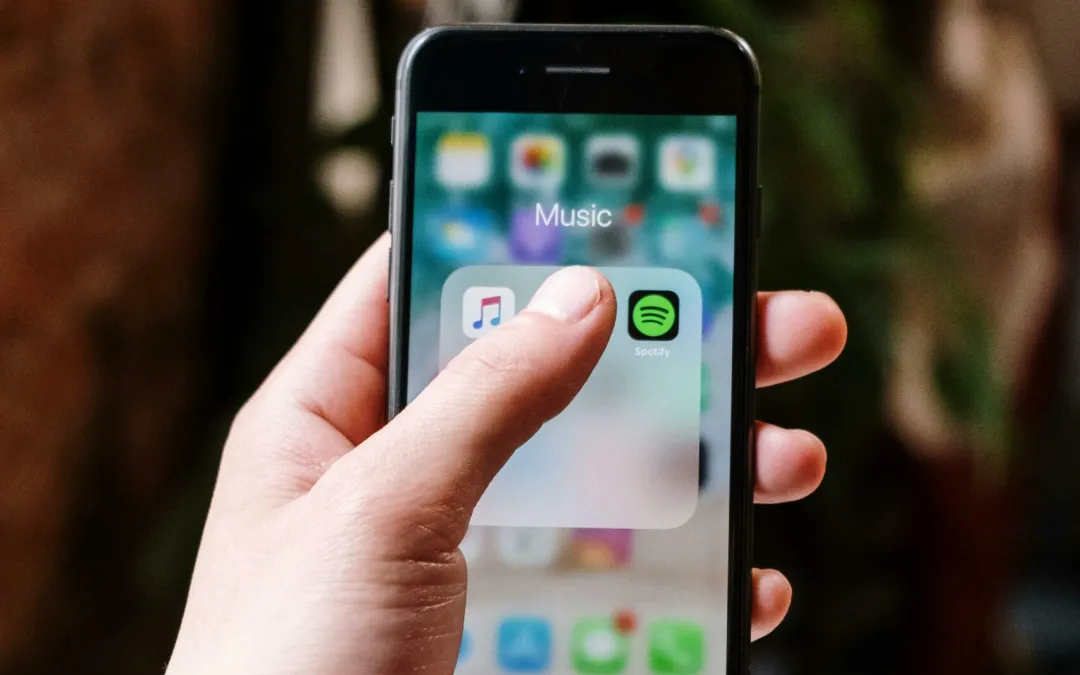
The path to meaningful Spotify growth has shifted significantly in 2025-2026. Raw stream counts matter less than engagement quality—specifically save rates, repeat listens, and low skip rates in the critical first 72 hours after release. The most effective approach combines three integrated channels: (1) algorithmic optimization through controlled early momentum, (2) social-native growth via TikTok and email communities, and (3) strategic paid amplification targeted at pre-qualified audiences. Artists who execute this sequentially rather than simultaneously see sustained algorithmic rewards, with verified case studies showing 10-50x listener growth over six months. This report synthesizes institutional best practices and recent algorithmic changes to provide a prioritized action plan for artists at any scale.
Part I: Understanding the Modern Spotify Algorithm
Spotify’s recommendation engine has become increasingly sophisticated at identifying authentic engagement. The platform now detects artificial stream inflation through pattern recognition, penalizing tracks that spike unnaturally from bot networks or low-quality playlists. This shift has made engagement quality the central metric the algorithm uses to decide which tracks deserve amplification.
The algorithm operates on a hierarchical weighting system. At the top: save rate and repeat listens—these function as “super-likes” indicating genuine listener connection. Second tier: completion rate (how much of a song listeners hear) and skip rate, particularly in the first 30 seconds. Third tier: playlist additions, which signal that a track fits real listening habits. Finally: raw stream count, which alone no longer moves the algorithmic needle.
This fundamentally changes strategy. An artist with 5,000 streams where 40% of listeners save the track and return for repeat plays will reach more algorithmic playlists than an artist with 50,000 passive plays and 5% saves.
| Metric | Current Weight | Target Range | Why It Matters |
|---|---|---|---|
| Save Rate | Very High | >10% overall; 35-50% from followers in first 72h | Engagement indicator; super-weighted by algorithm |
| Skip Rate (first 30s) | Very High | <30% | Indicates song hook strength |
| Completion Rate | High | >60-75% | Shows listener retention vs. algorithm drop-off |
| Repeat Listens | High | 2.5-3x per engaged listener | Signals genuine connection |
| Playlist Adds | Medium | >5% of listeners | Real-world relevance signal |
Part II: Pre-Release Positioning (Weeks 2-3 Before Drop)
Success on Spotify begins weeks before your track goes live. This phase “warms the graph”—establishing listener relationships and audience readiness that the algorithm will recognize at launch.
Build Follower Base and Audience Attention
Start by directing attention to your artist profile rather than promoting unreleased music. Use social media (especially Instagram Stories and TikTok) to announce the upcoming release, create countdown stickers, and ask followers to turn on post notifications. This increases followers during the critical pre-release window. Each follower gained represents a potential saver on release day—and follower saves carry disproportionate algorithmic weight.
Prepare Community Infrastructure
If you lack an engaged community (email list, Discord, etc.), begin building now. Collect email addresses through your website or link-in-bio with an incentive: exclusive unreleased demo, early access to the track, or a VIP listening party link. Aim for 50-100 email subscribers by release day; this core group will drive the first-72-hour engagement spike.
Alternatively, establish a Discord server with simple channels for discussion and announcements. Research shows Discord superfans stream 1.3 million tracks daily and generate billions in annual streaming value—these users become your release day activation force.
Optimize Your Artist Profile Now
Before release, ensure your Spotify artist profile is fully optimized:
- Artist Bio: Write a compelling description that clarifies your genre and influences. Avoid generic filler.
- Verified Status: If eligible, pursue verification to increase editorial credibility.
- Linked Social Accounts: Connect Instagram, Twitter, and other platforms to demonstrate legitimate presence.
- High-Quality Imagery: Use professional cover art and profile pictures (at minimum 500×500px).
- Artist Pick: Create a curated playlist of 10-15 of your best songs in optimal listening order; this becomes your “introductory” playlist for new listeners.
These elements generate 10-25% stream boosts independently.
Part III: Paid Amplification Strategy (Weeks 3-2 Before)
Paid platforms amplify reach most effectively when targeted at pre-qualified, genre-aligned audiences before release. This generates the authentic engagement signals (saves, follows, profile visits) that algorithmic playlists reward.
TikTok Paid Promotion (Highest ROI)
TikTok-correlated artists experience 11% week-over-week Spotify growth compared to 3% for non-TikTok artists. One documented case accelerated an artist from 2,400 to 93,000 monthly listeners in 28 days using TikTok video amplification paired with traffic ads directing to Spotify.
TikTok Strategy: Create 3-5 short-form videos featuring the catchiest 15-20 second hook of your upcoming track. Run Spark Ads (native TikTok ads using your organic content) with traffic objectives, directing viewers directly to your Spotify profile. Typical costs: €0.01–€0.06 per click, with save rates 2x higher than organic-only push.
Budget recommendation: $50-150 pre-release to test audience response. Adjust targeting by music taste (specify genres), age range, and geography based on your existing listener data.
Meta Ads for Pre-Save Campaigns
Simultaneously, run a pre-save campaign on Meta (Facebook/Instagram). Create a landing page offering early access to your track in exchange for following you on Spotify. Use Meta’s targeting to reach users interested in your genre, similar artists, and playlists.
This two-pronged approach (TikTok for discovery, Meta for Spotify follows) generates both immediate listeners and algorithmic signals by release day.
Part IV: The Critical First 72 Hours
The first three days after release determine whether Spotify’s algorithm grants you access to algorithmic playlists like Release Radar and Discover Weekly. This window requires coordinated action across multiple channels.
Day 0 (Release Morning)
- Update All Promotional Assets: Publish Canvas (3-8 second looping video), create an Artist Pick Clip asking followers to save the track.
- Segment Your Email: Send personalized in-app Spotify links to your top 100 most engaged fans. Include a specific ask: “Save this to your library”.
- Launch Your Community: Post in Discord, send email newsletters, and go live on Instagram/TikTok immediately after release. Ask followers to stream and save within the first hour.
Day 1
- Post an organic TikTok or Instagram Reel showing the save button, asking followers to add the track to playlists.
- Monitor your first-30-second skip rate using Spotify for Artists analytics. If skips exceed 30%, the intro is likely too long or weak. Consider whether your hook appears earlier than 15 seconds.
Day 2
- Go live on TikTok or Instagram with a similar artist or collaborator; direct viewers to your Spotify profile.
- Share a story or post showing your friends’ or fans’ playlist additions. Social proof triggers more saves.
Day 3
- Share user-generated content (screenshots of fans’ playlist additions, comments, videos using your music).
- Ask for adds to existing listener playlists, leveraging the momentum.
Target Metrics for Days 0-3:
- Save Rate: 35-50% of followers should save the track
- Skip Rate (first 30s): Keep under 30%
- Completion Rate: Aim for 60%+ on first listen
- Playlist Adds: Target 5%+ of unique listeners adding to personal playlists
Success in this window creates a “snowball” effect: algorithmic playlists like Release Radar (week 1) begin featuring the track, followed by Discover Weekly trials (weeks 2-3) if early retention metrics hold.
Part V: Strategic Playlist Placement
Playlist presence amplifies algorithmic reach. However, placement strategy has evolved: editorial playlists no longer drive the growth they once did. Instead, user-curated playlists send cleaner engagement signals.
Editorial Playlists
Pitch your unreleased track through Spotify for Artists at least 7 days before release. Target mid-sized editorial playlists featuring emerging artists in your genre (not major playlists like Rap Caviar or Beast Mode, which receive millions of pitches). Emphasize unique creative elements and explain why your track fits the playlist’s specific vibe.
Acceptance rates remain low for most artists, but editorial placements create secondary algorithmic benefits: listeners exposed to your track on these playlists become connected to you algorithmically, increasing chances of future Release Radar and Discover Weekly inclusion.
User-Curated Playlists (Higher Priority)
Research independent curators using platforms like Playlist Supply or PlaylistPush. Identify playlists with 1,000-10,000 followers that specifically feature emerging artists in your genre. Send personalized emails referencing specific playlist details and explaining why your track fits.
User playlist adds signal that “this song fits into actual listening habits,” which Spotify’s algorithm heavily rewards. Even 40-50 adds in the first week can meaningfully influence algorithmic distribution.
Build Your Own Playlists
Create 5-10 public playlists on your artist profile, each themed around micro-genres or moods that align with your sound. Feature your music alongside 3-5 similar artists per playlist. Update these every two weeks with new songs and reorder tracks to keep followers returning. Promote these playlists on social media, tagging both artists and fans.
This strategy serves dual purposes: followers discover your profile through playlist recommendations, and you build relationships with similar artists who may notice your music and reciprocate.
Part VI: Collaboration and Remixes
Collaborations represent the single most powerful growth lever, with verified data showing 75% of artists experience 10%+ stream increases within six months of releasing a feature. Thirty percent of collaborating artists double their streams.
Why Collaborations Work
When you feature another artist, your track appears on their Release Radar and in playlists their followers see. Simultaneously, Spotify’s algorithm creates cross-connections: listeners of the featured artist become potential listeners of your solo work. This cascades across Radio, Autoplay, and Discover Weekly, expanding your algorithmic reach without additional paid spend.
Strategy: Select collaborators with 2-10x your current monthly listeners who operate in adjacent (but not identical) genres. A pop-R&B artist collaborating with an indie-pop artist creates broader appeal than two identical-sounding artists.
Remixes and Alternate Versions
Releasing acoustic versions, remixes, or instrumental versions re-enters the same track into Release Radar and Discover Weekly, refreshing algorithmic trials at no cost. This is especially effective for remix versions by notable producers—these often rank highly in genre-specific playlists.
Part VII: TikTok to Spotify Pipeline
TikTok drives Spotify streams with measurable efficiency. The platform’s dual algorithm (promoting both videos and the sounds behind them) creates compounding momentum: one viral clip triggers sound adoption, which surfaces the track to new creators, which generates more videos.
The TikTok Strategy
- Create native TikToks using your track’s catchiest 15-20 second segment. Emphasize the hook, not the full song structure.
- Encourage organic TikTok creators to use your sound by making it discoverable (tag relevant hashtags, engage with similar sounds, follow trending formats).
- Use smart links to route TikTok clicks directly to Spotify (or the listener’s preferred platform). Generic links create friction; smart links convert 10-30% higher.
- Go live after viral videos: TikTok live streams after a high-performing video funnels high-intent viewers into real-time conversation about your music, driving Spotify clicks.
- Run retargeting campaigns: Use TikTok’s native ads to retarget users who engaged with your organic videos, directing them to your Spotify profile or playlist.
Capture Email from TikTok Traffic: Don’t let TikTok momentum evaporate once it passes. Include a “sign up for early access to my next release” call-to-action on your TikTok profile, capturing email addresses for future release day activation.
Part VIII: Email and Community Monetization
Email remains the highest-conversion channel for musician outreach, outperforming social media followers by 3-5x in terms of engagement and ticket/merch sales.
Building Your Email List
Offer a high-value lead magnet on your website, Instagram link-in-bio, and at live shows:
- 3 unreleased demos or acoustic versions
- Behind-the-scenes studio footage
- 24-hour early access to releases
- VIP presale codes for merch or tickets
Start small: 50-100 subscribers is a meaningful activation force for release day. These fans drive the early-72-hour engagement spike that triggers algorithmic playlists.
Email Sequencing
- Email 1 (Immediately): Deliver promised incentive + introduce your story + direct links to Spotify, Instagram, TikTok
- Email 2 (2-3 days later): Share the story behind your music; ask for feedback
- Email 3 (1 week later): Announce the next release; offer exclusive pre-save opportunity
Send emails only when you have something worth saying (releases, shows, exclusive content). Avoid spam; maintain a “VIP inner circle” feel.
Segment Over Time: As your list grows, separate subscribers by engagement level (superfans vs. casual), geography (for tour announcements), and interests (listeners of specific releases).
Discord as Superfan Hub
Discord communities create loyalty and direct streaming value. Superfans in Discord communities average 489 million annual streams to Spotify collectively, representing $1.45M in annual artist revenue. Create channels for music discussion, behind-the-scenes content, live Q&As, and polls about upcoming projects. Use bots that reward members for streams and social shares.
Part IX: Profile Optimization and Technical Leverage
Canvas Videos
Canvas—the 3-8 second looping video appearing on the Now Playing screen—increases shares by 145%, playlist adds by 20%, and continued streaming by 5%. High-quality Canvas visuals boost streams by up to 120% and saves by 114%.
Canvas is free and simple: upload via Spotify for Artists in MP4 format (720p minimum, 9:16 aspect ratio). Even a simple color gradient or loop of album artwork footage suffices, though motion graphics or short video clips perform better.
Metadata Precision
Accurate genre tagging improves editorial consideration and algorithmic routing. Use DSP-compliant primary + secondary genres (e.g., “Electronic” primary + “Drum & Bass” secondary) rather than invented genres. Spotify doesn’t display genre publicly, but its editorial team references these tags when considering playlist pitches. Incorrect tagging can delay approval or misroute your music to irrelevant playlists.
| Do’s | Don’ts |
|---|---|
| Primary broad genre + secondary specific genre | Invented hybrid genres (“Trapwave Jazz”) |
| Genre reflects actual sound | Genre reflects audience aspirations |
| Consistent genre across catalog | Mood words in genre field |
Song Structure Optimization
- Intro length: Keep under 15 seconds; place the hook early.
- First 30 seconds: This window determines skip behavior. Optimize for immediate engagement.
- Overall completion: Aim for 60%+ first-listen completion.
Analyze your Spotify for Artists analytics after each release to identify where listeners drop off. If 40%+ skip in the first 30 seconds, restructure the intro or consider re-recording a faster hook.
Part X: Paid Promotion Deep Dive
Spotify Ads Manager
- Minimum budget: $250 per campaign
- Pricing: $0.015–0.025 CPM for audio ads, $0.02–0.03 CPCV for video
- Expected reach: $250 campaign = 10,000–16,667 impressions
Spotify ads work best for awareness, not direct conversions. They’re most effective when paired with retargeting strategies: run an initial Spotify ad to build awareness, then retarget engaged users across Meta or Google.
When to Use Spotify Ads: If you have 5,000+ monthly listeners and want to expand to new geographic regions or adjacent genres. For emerging artists, TikTok and Meta ads deliver better ROI.
Discovery Mode (For Eligible Artists)
If you have 5,000–10,000 monthly listeners, tracks 30+ days old, and distributed through approved licensors, you can opt into Discovery Mode—Spotify’s algorithmic amplification tool.
Discovery Mode applies a 30% commission to streams generated through the program, but it prioritizes your tracks in Radio, Autoplay, and Mixes without paid spend. Eligible tracks must have 20+ streams in the past 28 days to qualify.
Part XI: Release Schedule and Long-Term Compounding
One-off releases rarely sustain momentum. Consistent releases train Spotify’s algorithm to expect and promote your music regularly.
Optimal Release Cadence
- Singles: Every 4–6 weeks
- EPs: Every 4–6 months
- Albums: Yearly or bi-yearly
This schedule allows time to execute the full strategy (build momentum, promote pre-release, execute 72-hour push, analyze results, iterate) while keeping your artist profile active in algorithmic playlists.
Alternating Release Types
Alternate original releases, collaborations, remixes, and acoustic versions. This prevents listener fatigue while accessing new audiences: your collaborator’s fans discover you, remix listeners find your originals, etc.
Part XII: Measurement and Iteration
Data from Spotify for Artists reveals what works for your specific sound and audience.
Weekly Metrics to Track
| Metric | Action if Underperforming |
|---|---|
| Skip Rate (first 30s) >30% | Restructure intro; move hook earlier |
| Save Rate <10% | Emphasize call-to-action in captions; offer exclusive content to savers |
| Completion Rate <60% | Check song length; may be too long for algorithmic playlists |
| Geographic Concentration | Plan social media campaigns targeted to high-performing regions |
Compare release-by-release to identify multipliers: Which intro length yields lowest skips? Which release day (Friday vs. Monday) drives better week-1 momentum? Which collaborators expand your reach most? Document these in a simple spreadsheet and replicate wins.
Part XIII: The Integrated Release Calendar
Here’s a complete 6-week plan for maximum algorithmic impact:
| Week | Actions | Goals |
|---|---|---|
| Week -2 | Optimize artist profile; warm social media; build email list; prepare Canvas | 50+ email subscribers; profile fully optimized |
| Week -1 | Launch paid ads (TikTok, Meta); create organic TikTok content; pitch to editorial playlists (7+ days before) | 500+ TikTok reach; 100+ pre-saves |
| Release Day (Friday) | Update Canvas; segment email; go live; release on Spotify; drive external traffic | 35-50% follower save rate; <30% skip rate in first 30s |
| Days 1-3 | Post organic content daily; monitor skip rates; share fan reactions; activate Discord | Sustained 35-50% save rate; 60%+ completion |
| Week 1 | Analyze analytics; retarget TikTok engagers; pitch to user playlists | Get Release Radar inclusion |
| Weeks 2-3 | Maintain content push; watch for Discover Weekly trials (typically appear here) | Discover Weekly inclusion; compound algorithmic growth |
| Weeks 4-6 | Create remixes/acoustic version; analyze results; begin planning next release | Extend track lifespan; build playbook for next release |
Conclusion: The Hierarchical Strategy
Success on Spotify in 2026 requires a sequenced, data-driven approach:
- Optimize your profile and pre-release positioning (Weeks -2 to 0): This creates the foundation.
- Execute the critical first 72 hours with coordinated internal + external traffic: This unlocks algorithmic playlists.
- Build authentic community through email, Discord, and collaborations: This sustains long-term growth beyond any single release.
- Use paid amplification strategically (TikTok first, Spotify later): This accelerates reach without artificially inflating streams.
- Measure, iterate, and compound: Each release teaches you which variables move your specific audience; compound these insights across future releases.
Artists executing this sequence see verifiable results: 10-50x monthly listener growth over six months, sustained algorithmic presence, and a loyal fanbase that streams independently of platform manipulation. The formula is not about shortcuts—it’s about working with Spotify’s algorithm rather than against it.